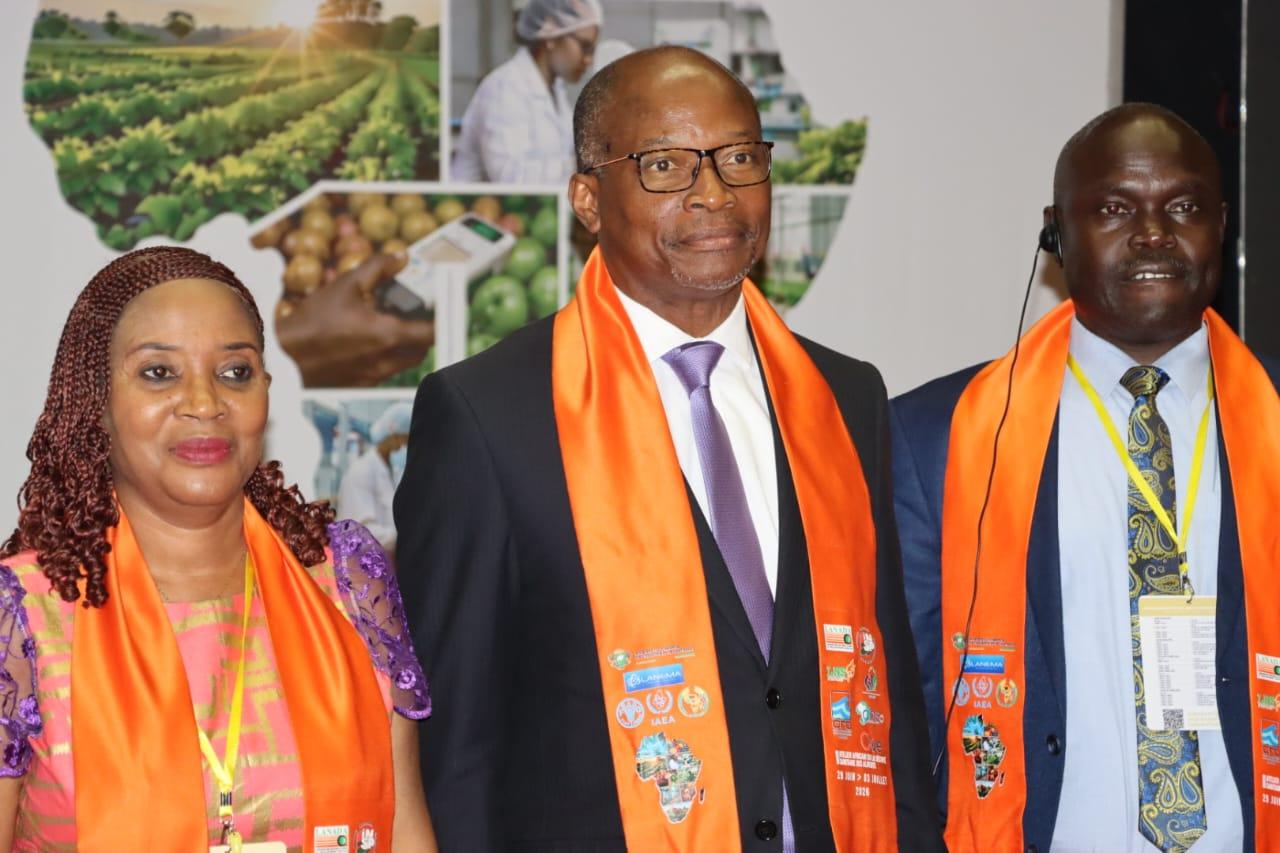
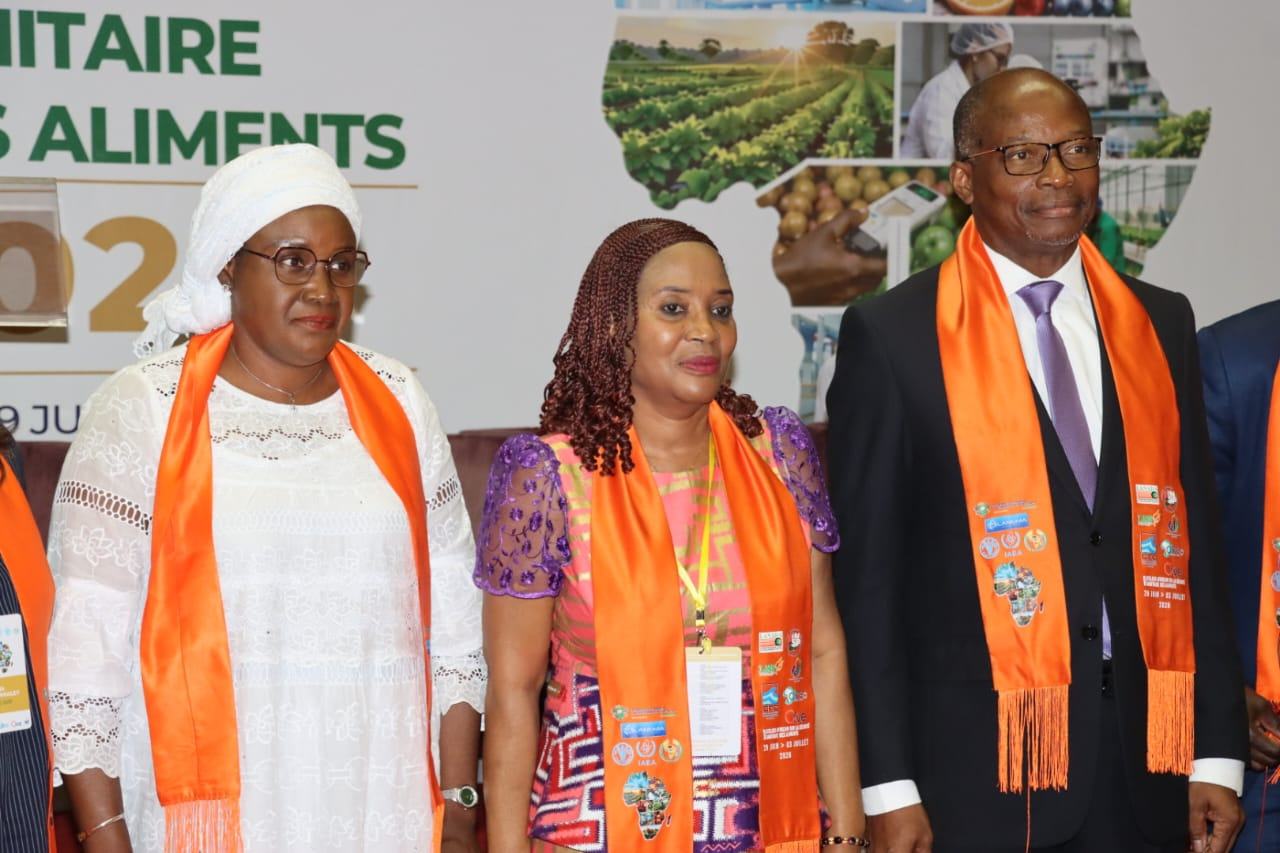
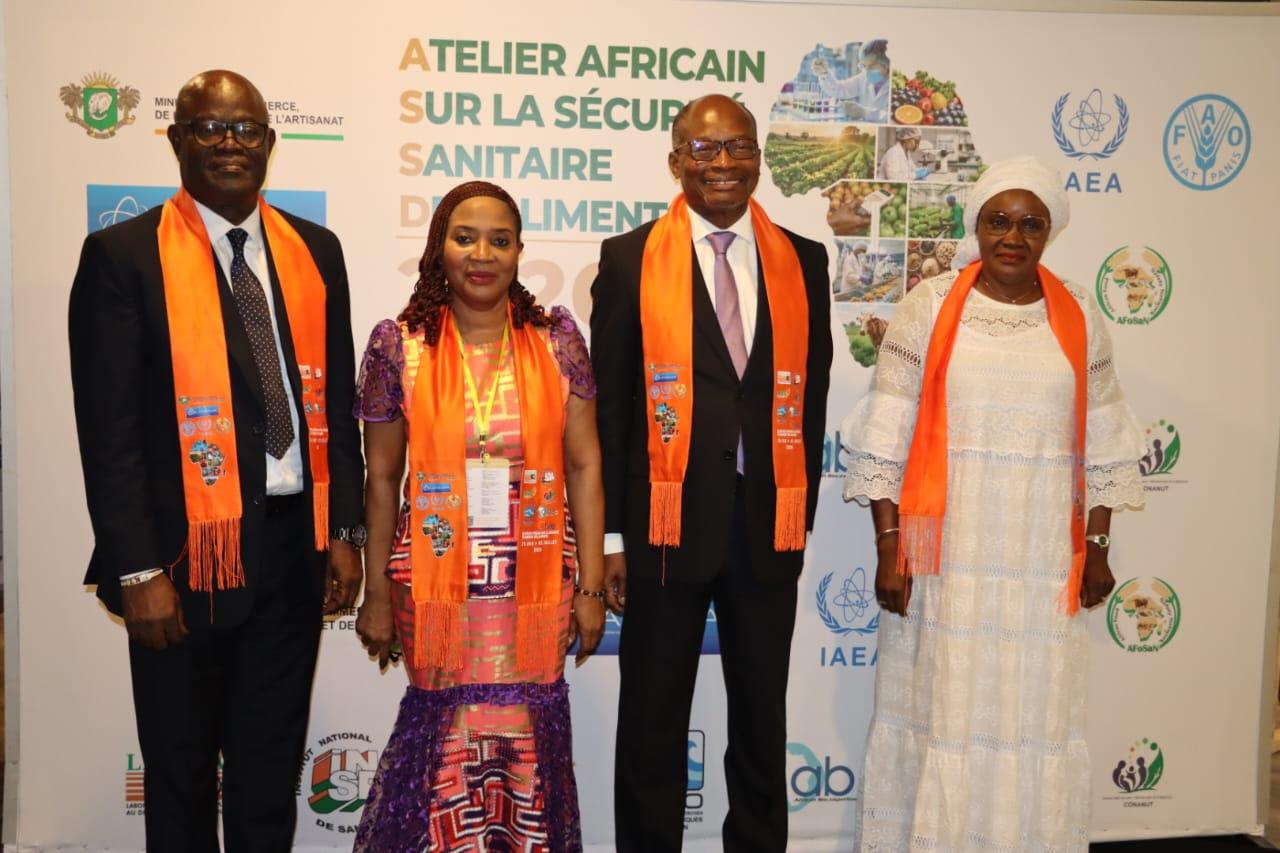
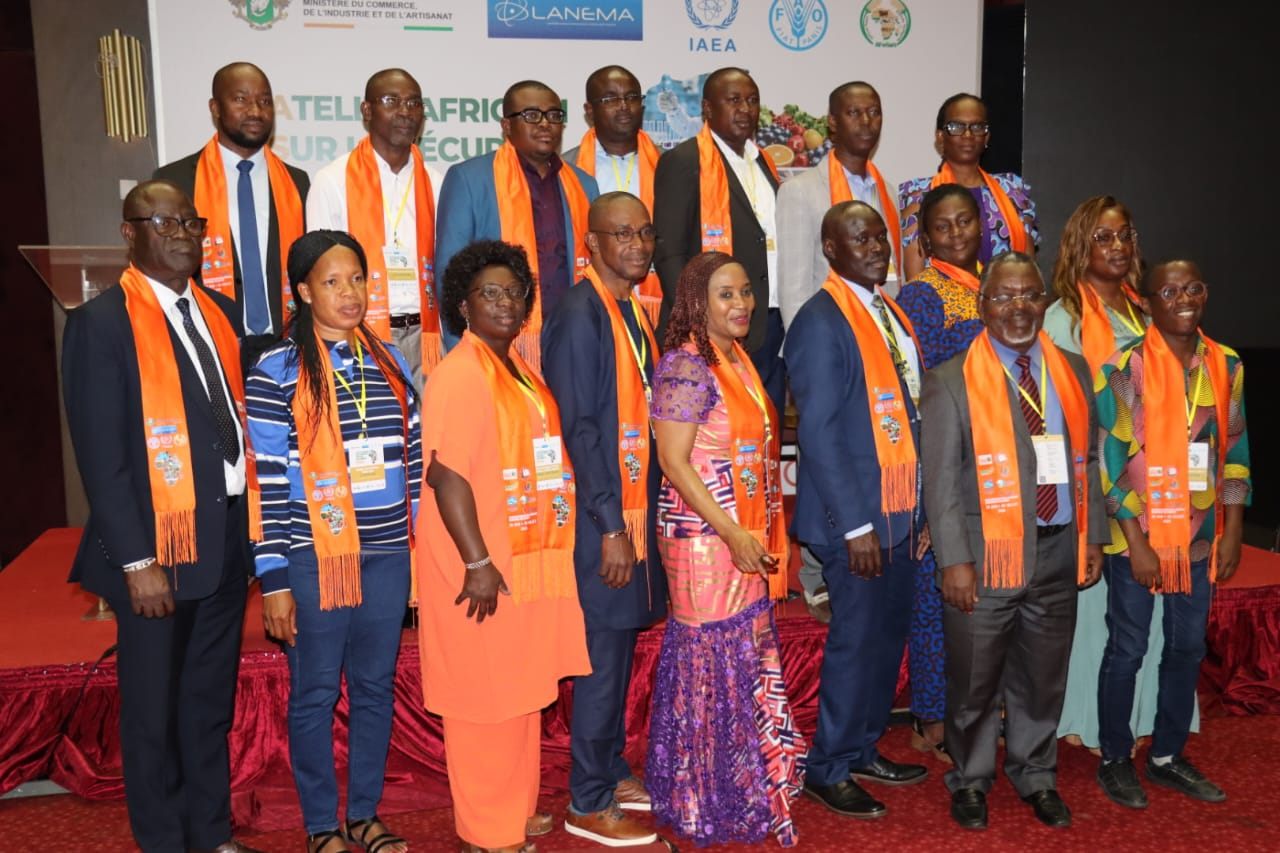
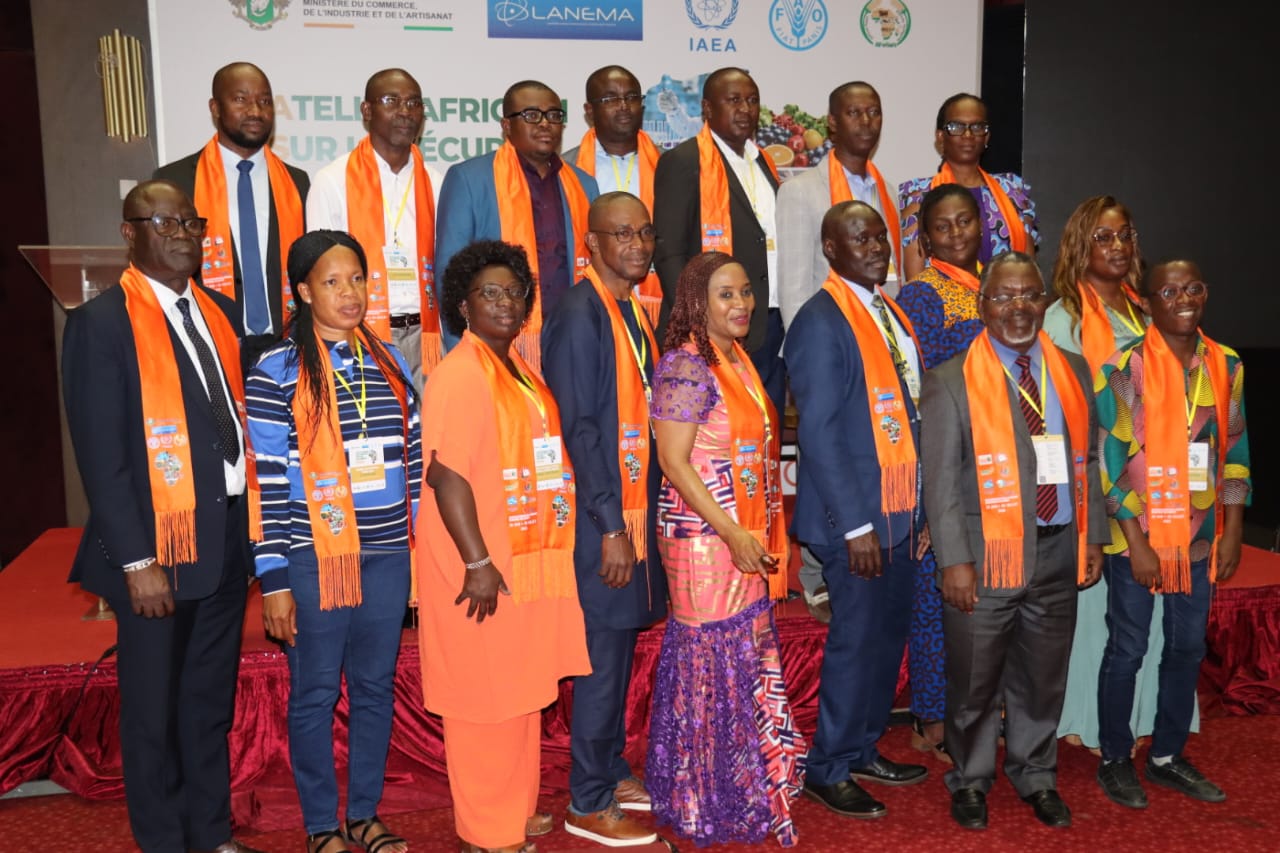
Abidjan hosted the African workshop on food safety from June 29 to July 3, 2026, bringing together experts from over 30 countries to discuss the challenges of food control, the harmonization of health standards, and scientific cooperation. Over five days, 55 oral presentations, 23 scientific posters, and five high-level panels were presented, reflecting the commitment of African stakeholders to safer, more efficient, and more resilient food systems.
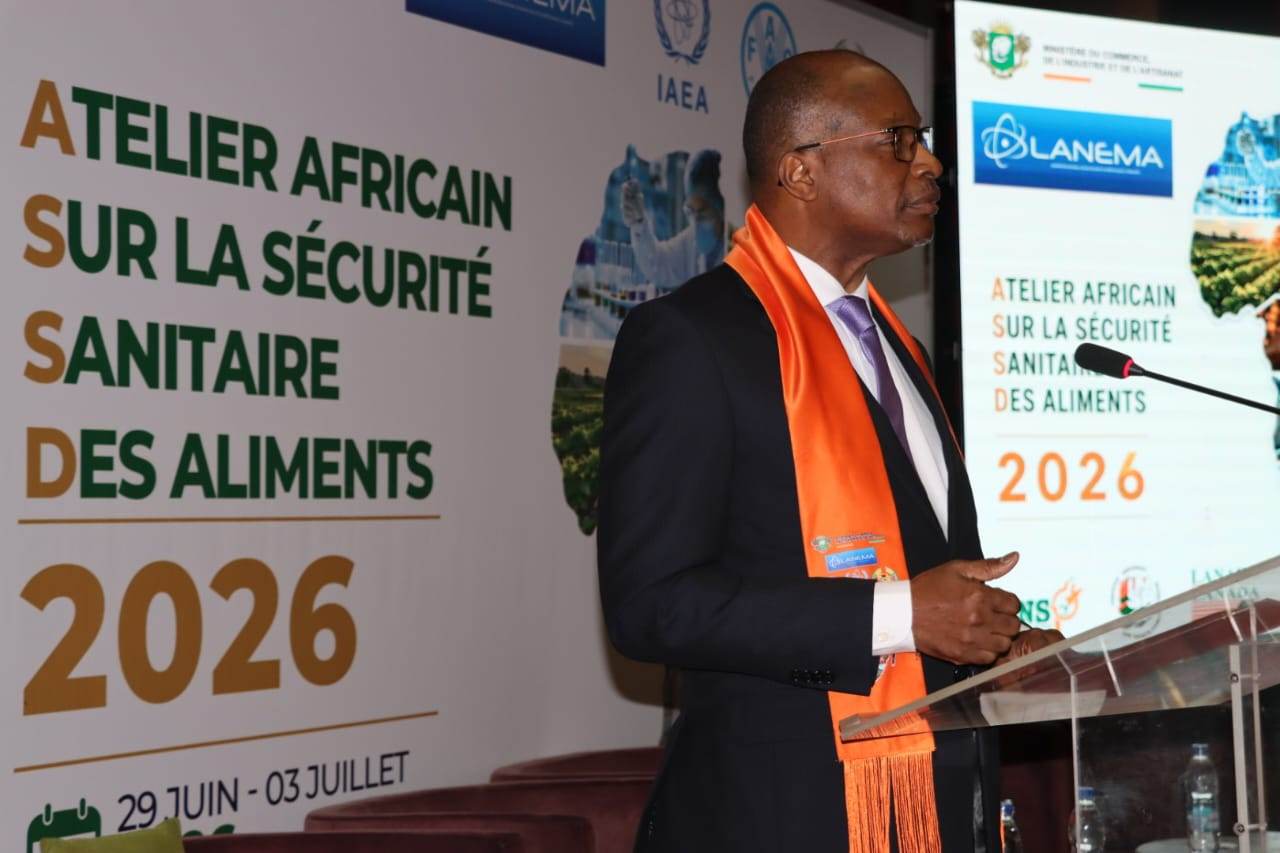
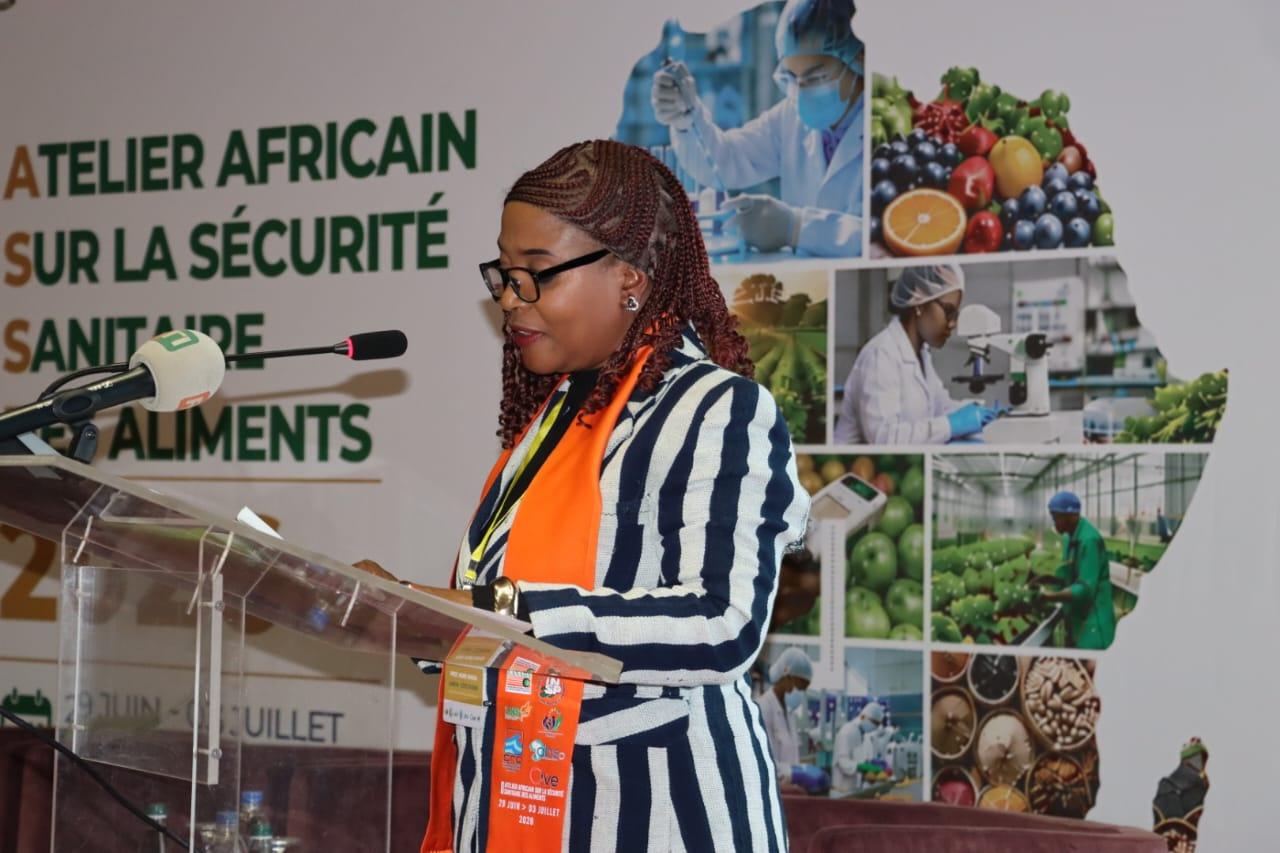
At the closing ceremony on Friday, July 3, 2026, the Director General of LANEMA, Mawa Koné, expressed her satisfaction with the results achieved. “Abidjan has established itself as a true hub of African and international scientific excellence,” she declared, emphasizing that the exchanges have led to advancements in the detection of chemical contaminants, pesticide residues, veterinary drugs, and mycotoxins, while simultaneously strengthening the One Health approach. She also highlighted the “Plat Attiéké” project, designed to improve the quality, traceability, and standardization of this iconic product to bring it into compliance with international standards.
Representing the Minister of Trade, Industry, and Handicrafts, Kalil Konaté, the Deputy Chief of Staff, Olivier Daipo, commended the quality of the work, stating that “the conclusions drawn from your work now constitute a solid foundation for guiding our future actions.” He urged participants to translate the recommendations into “concrete, sustainable, and measurable actions,” reiterating that food safety is simultaneously a public health issue, a driver of economic development, and a key factor in African integration within the framework of the African Continental Free Trade Area (AfCFTA).
For their part, participants emphasized the need to strengthen the capacities of universities and promote the harmonization of African standards. “We would have much to gain by consolidating our standards to facilitate the movement of our food products,” stated lecturer Kouassi Athanase, representing the University of Daloa. Public health physician Raïssa Sambour praised “a very fruitful exchange” that fostered collaboration among African experts, while Burkinabe researcher Basier Raoul noted that the discussions helped to better understand the challenges related to food contaminants and the networking of African laboratories.
The closing ceremony also included the presentation of awards to several participants in recognition of their commitment throughout the workshop. The adopted recommendations will serve as a roadmap for strengthening cooperation between laboratories, regulatory authorities, universities, and technical partners, with the aim of building a more integrated, efficient, and resilient African food safety system.