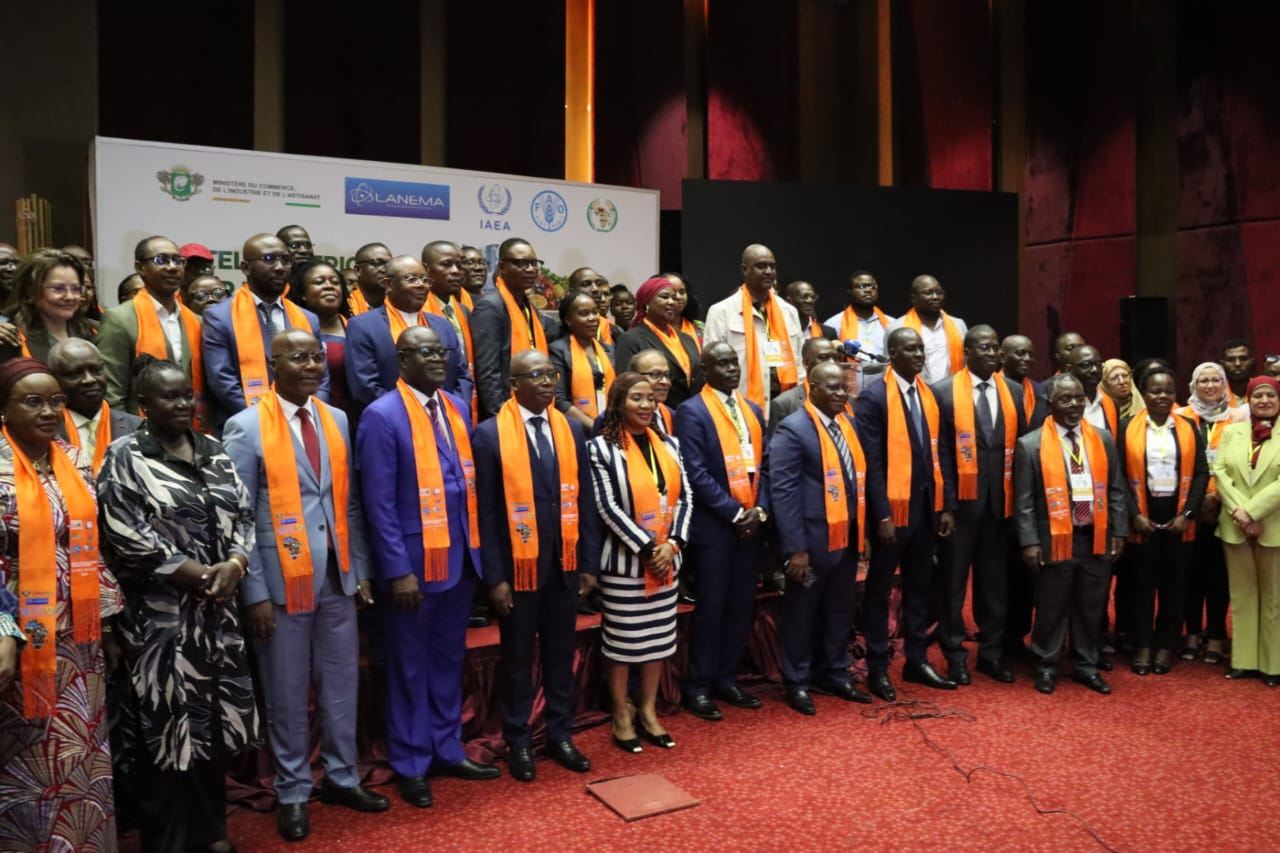
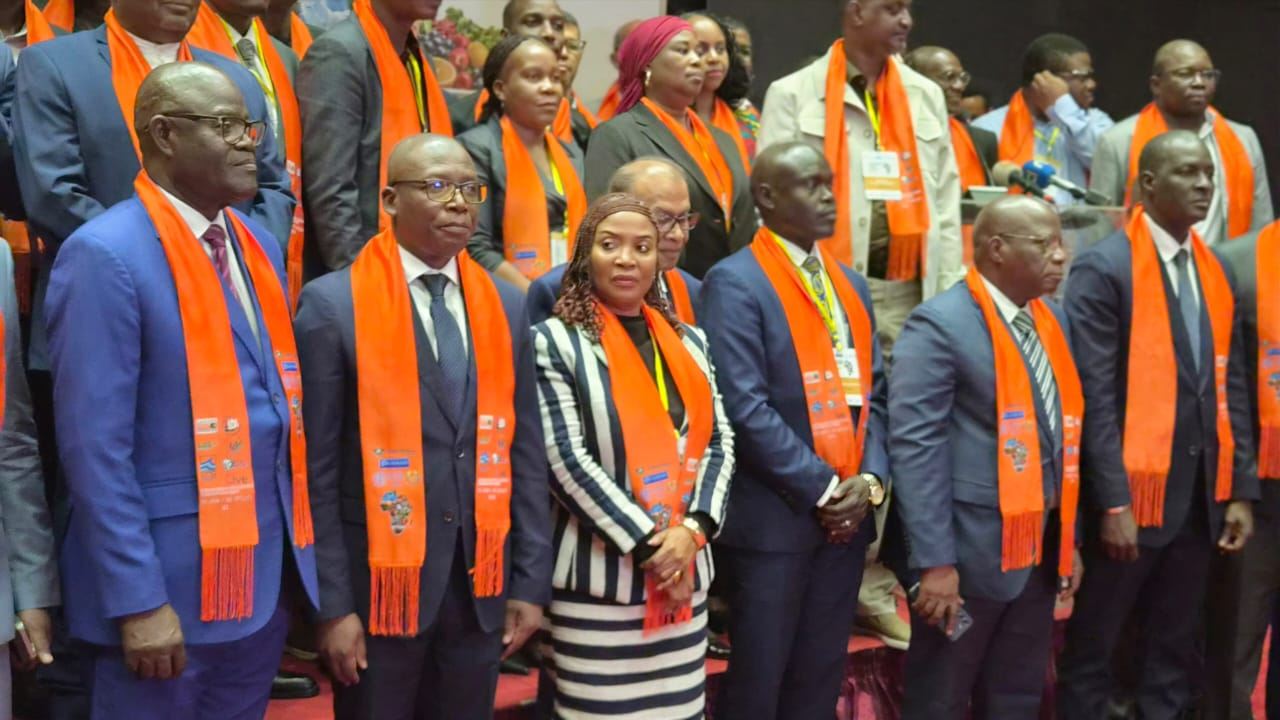
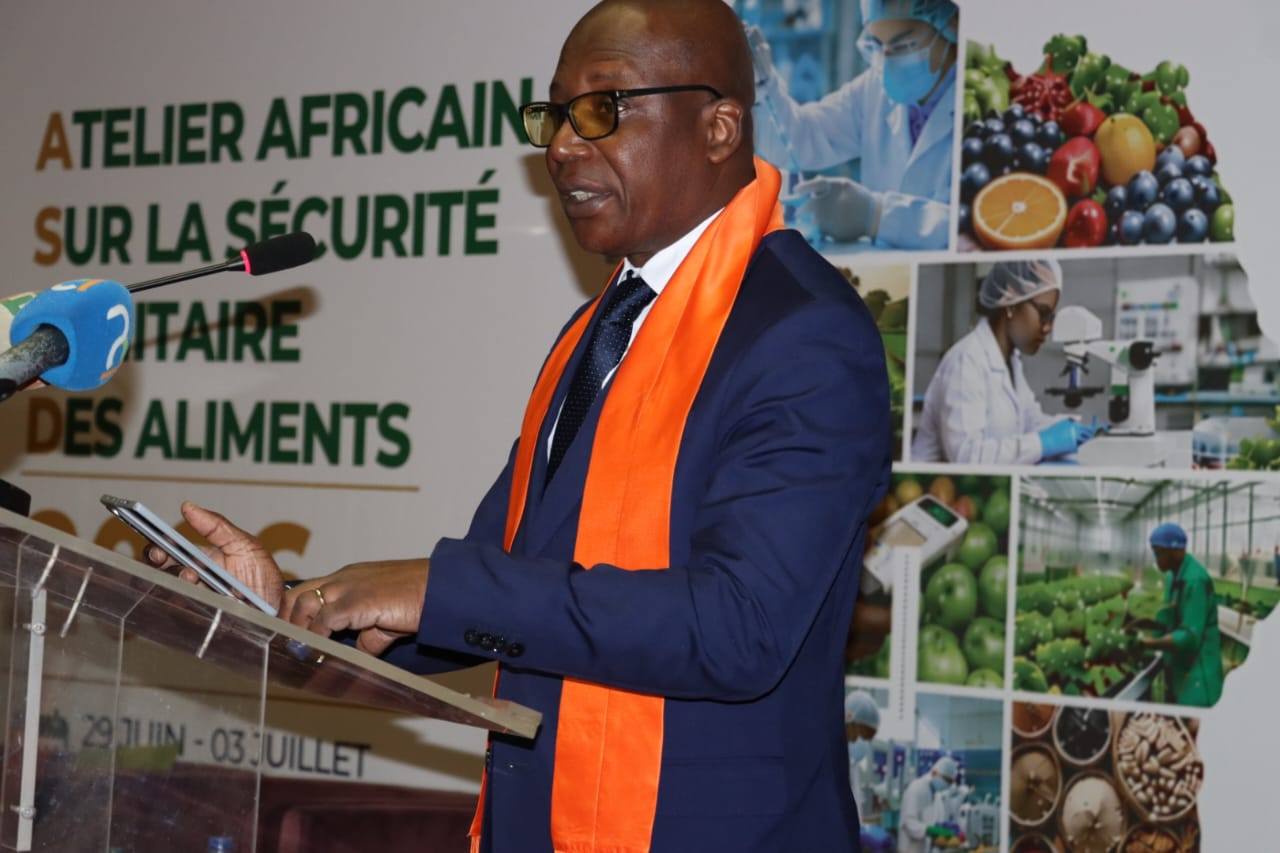
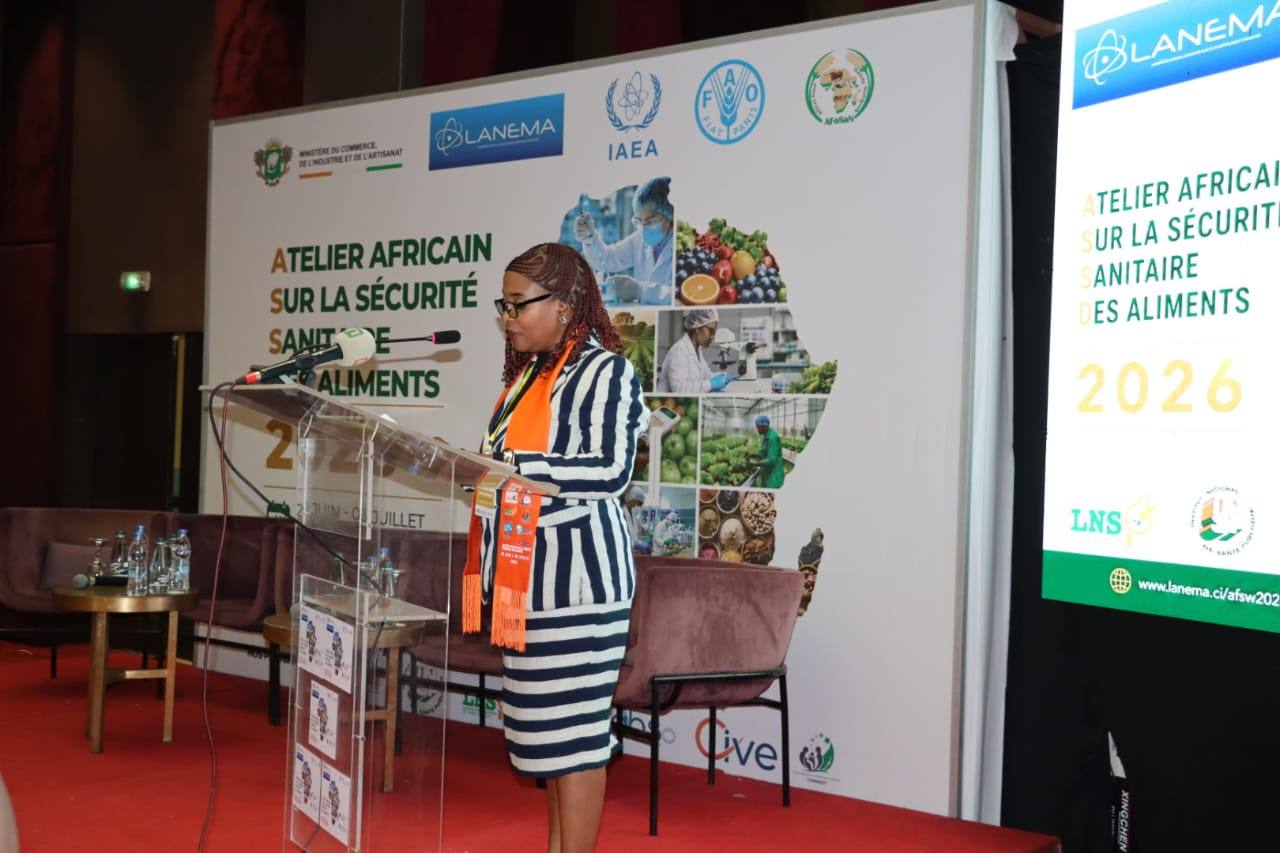
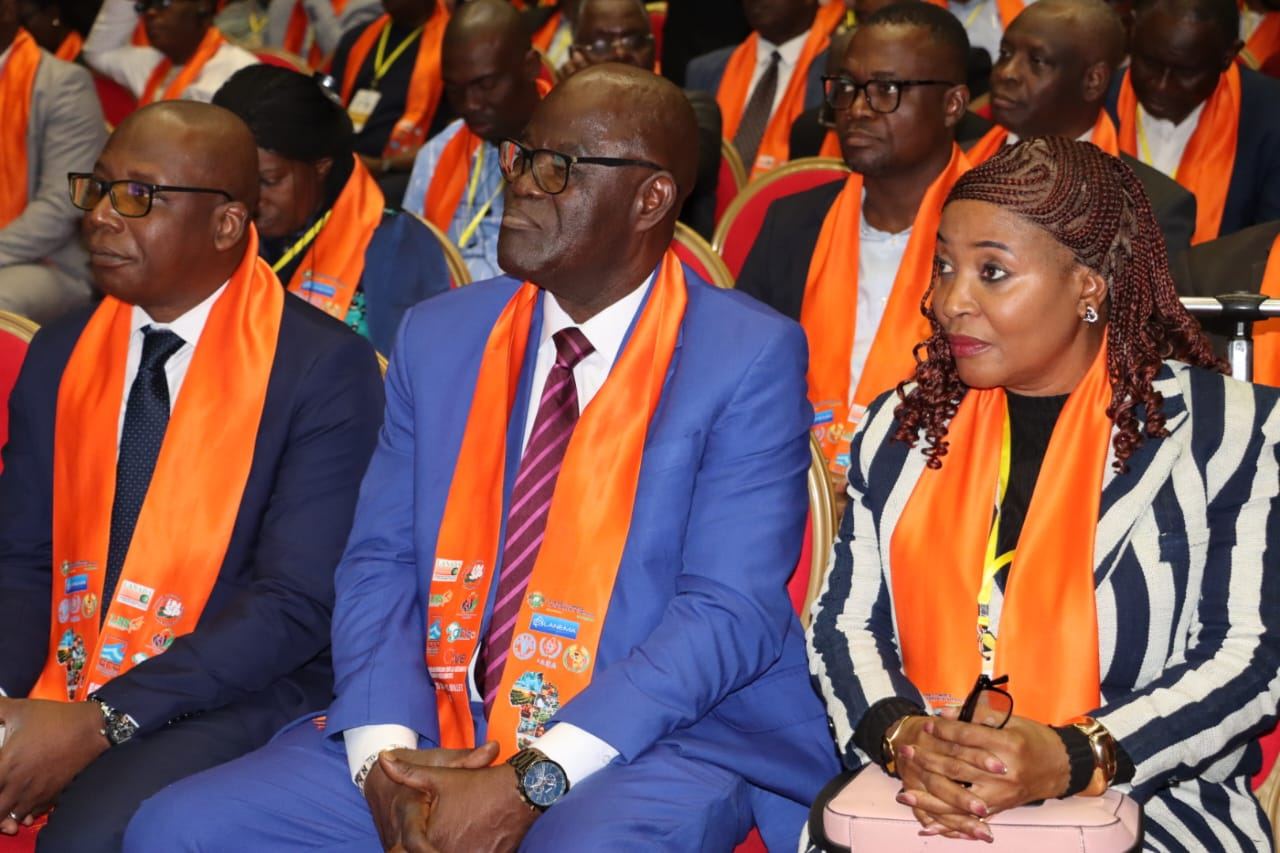
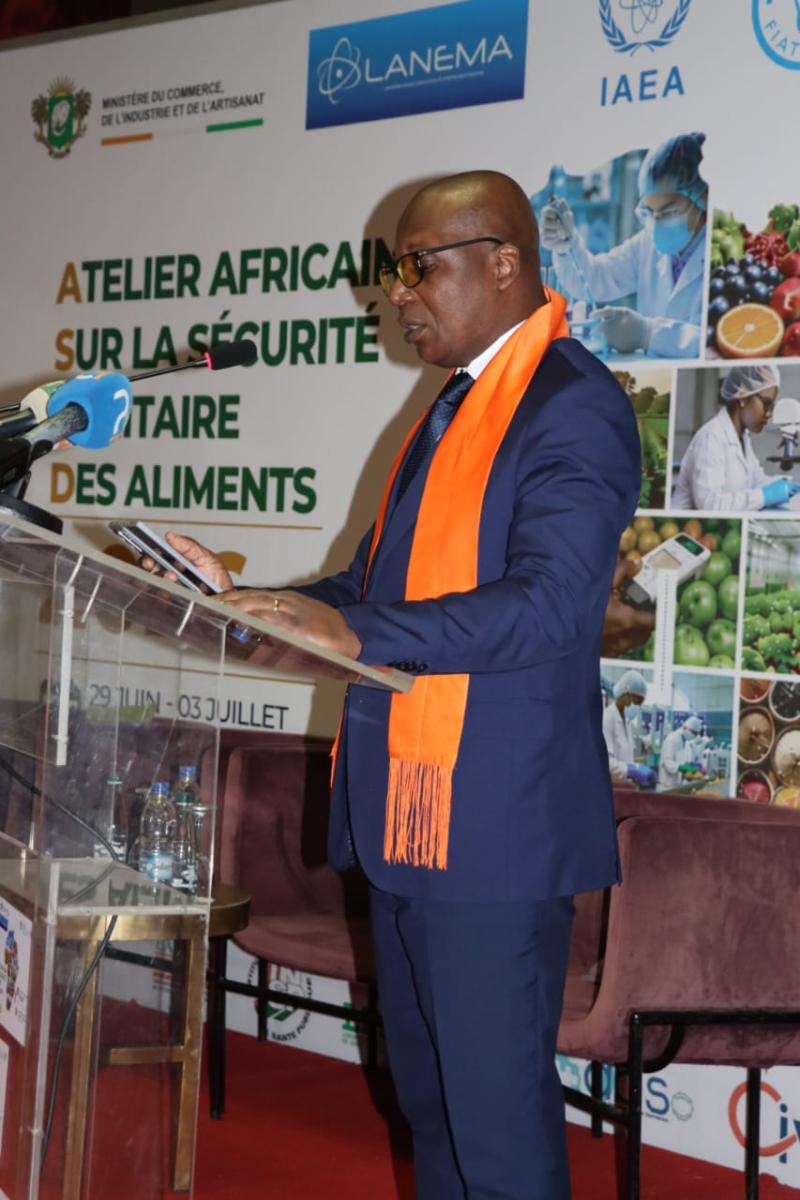
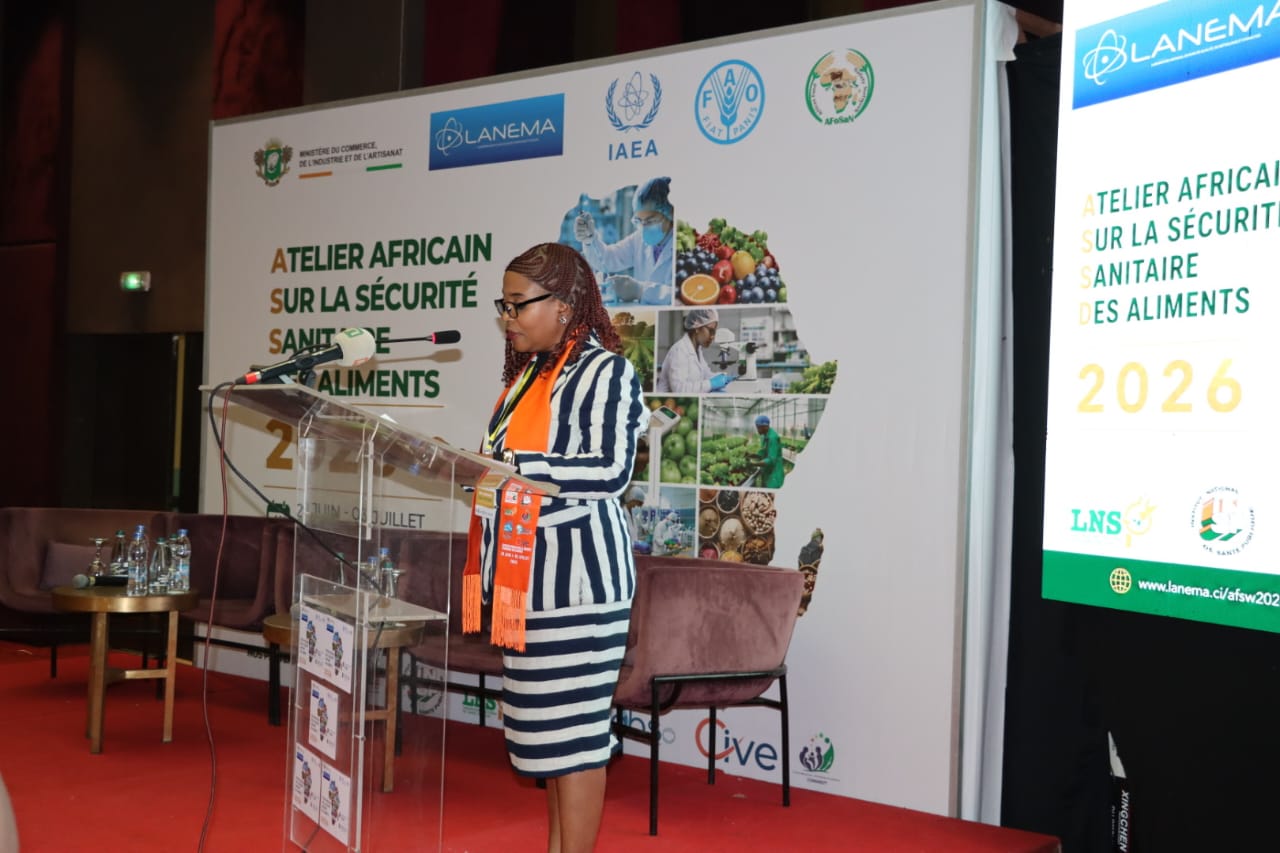
The fourth edition of the International Atomic Energy Agency (IAEA) African Workshop on food safety opened this Monday morning, June 29, 2026, in Abidjan. Organized by the Ministry of Trade, Industry, and Handicrafts, through the National Laboratory for Testing, Metrology, and Analysis (LANEMA), this meeting brings together more than 100 experts and decision-makers from 31 countries, including 29 African nations.
Representing the Minister of Trade, Industry, and Handicrafts at the opening of this workshop, the Chief of Staff, Assoua Raymond Laurent, emphasized that food safety is a major issue for the competitiveness of African economies and the protection of consumers. “Food safety is now much more than a public health issue; it is a true driver of economic competitiveness, consumer protection, industrial development, and trade facilitation,” he declared. He reiterated that the Government is continuing its investments to strengthen the capacities of national laboratories and support Côte d’Ivoire’s industrial transformation.
The Director General of LANEMA, Professor Koné Mawa, welcomed the selection of Côte d’Ivoire to host this fourth edition, believing it reflects the progress made by the country in the field of food safety. “The choice of Côte d’Ivoire to host the 2026 edition reflects the recognition of the excellence of our cooperation with the IAEA and the results achieved in food safety,” she stated.
She noted that this recognition is the result of the Food Safety project, implemented with IAEA support since 2021, which has modernized the analytical capacities of national laboratories and enhanced Ivorian scientific expertise.
For his part, the IAEA representative, James Sasanya, emphasized the need to strengthen African food control systems in the face of health risks. “Foodborne hazards cause approximately 866 million cases of illness in Africa each year, 1.5 million deaths, and estimated economic losses of $310 billion. It is therefore essential to strengthen food safety together,” he stated.
Over five days, participants will exchange information on chemical contaminants, microbiological risks, sanitary and phytosanitary measures, as well as nuclear techniques applied to food quality control and traceability. The work should lead to the development of an African roadmap 2026-2028 aimed at strengthening cooperation between laboratories and food hazard surveillance on the continent.